
Honest Information Patient Resource
Dental Implant Risks & Complications — An Honest, Balanced Guide
✓ The Real Risks Explained Clearly · ✓ Warning Signs to Watch For · ✓ How Complications Are Prevented · ✓ Reviewed by Dr. Suresh Ahlawat (BDS, MDS, DNB USA)
Dental implants have a very high success rate — but no surgical procedure is risk-free, and you deserve honest information before deciding. This guide explains the real risks and complications of dental implants, the warning signs to watch for, and — most importantly — how an experienced clinic minimises each one. The goal isn't to alarm you; it's to help you make an informed decision with realistic expectations.
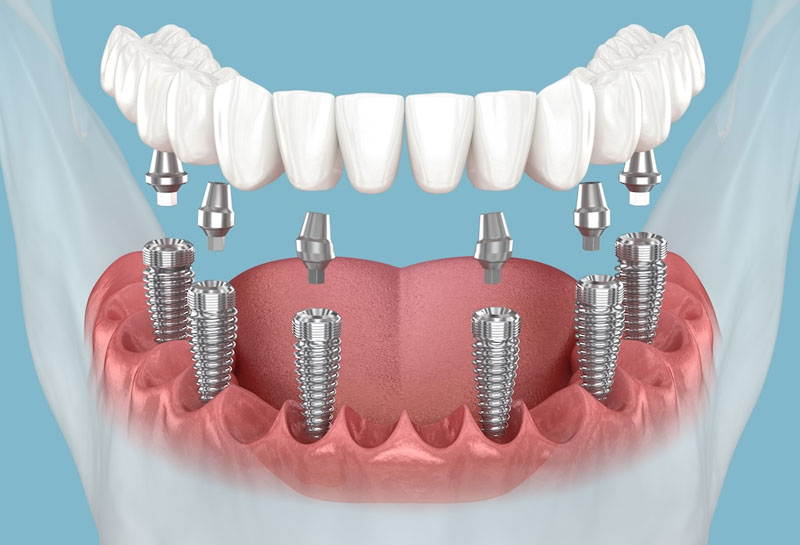
⚠️ DELETE AFTER IMAGE UPLOAD
IMAGE #1 of 4 — HERO
Upload: Replace src in hero img tag above
Dimensions: 540 × 660 px · Format: WebP · Max: 150KB
Alt text: Dental implant risks and complications explained honestly at Muskaan Dentals Gurgaon
🎨 AI prompt: Photograph of a senior Indian dentist explaining a dental implant model or X-ray to an attentive patient across a desk, sense of honest informed discussion, calm clinic setting, warm light, photorealistic, 540x660 portrait ratio
The Honest Summary
Dental implant risks are real but uncommon, and most are preventable with proper planning and an experienced surgeon. The main risks include infection, implant failure (the implant not fusing with bone), nerve injury, sinus complications for upper implants, and gum or bone problems over time. The global success rate of implants is 95–98%, meaning complications affect a small minority of cases. The biggest factors that reduce risk are CBCT 3D planning, an experienced implantologist, quality implant brands, good oral hygiene, and managing conditions like diabetes and smoking. This guide explains each risk honestly and how it's minimised.
95–98%
Global success rate
2–5%
Complication range
CBCT
3D planning reduces risk
35+
Years minimising complications
The Main Dental Implant Risks — Explained Honestly
For each risk below: what it is, how likely it is, and how it's prevented. This is general educational information — your individual risk is assessed during consultation.
🦠
Infection at the Implant Site
What it is
Bacterial infection around the implant during healing, which can affect how the implant integrates with bone.
Likelihood
Uncommon, and largely preventable with proper sterilisation and aftercare.
Prevention
NABH-accredited sterilisation protocols, antibiotics where appropriate, and good oral hygiene. Diabetic patients keep blood sugar controlled.
⚙️
Implant Failure (Failure to Integrate)
What it is
The implant doesn't fuse properly with the jawbone (osseointegration), so it becomes loose and must be removed.
Likelihood
2–5% of cases. Higher in smokers, uncontrolled diabetics, and where bone quality is poor.
Prevention
CBCT planning, quality implant brands, bone grafting where needed, and patient health optimisation before surgery.
⚡
Nerve Injury
What it is
If an implant is placed too close to a nerve (mainly in the lower jaw), it can cause numbness or tingling in the lip, chin, or tongue.
Likelihood
Rare with proper planning. This is precisely what CBCT imaging is designed to prevent.
Prevention
3D CBCT mapping of nerve positions before surgery, so implants are placed at a safe distance. Experience matters greatly here.
👃
Sinus Complications (Upper Jaw)
What it is
For upper back implants, the implant can protrude into the sinus cavity if there isn't enough bone height.
Likelihood
Uncommon when bone height is checked beforehand and addressed.
Prevention
CBCT measures available bone. A sinus lift procedure adds bone height where needed before implant placement.
🩹
Peri-Implantitis (Long-Term Gum Disease)
What it is
Gum and bone inflammation around an established implant — similar to gum disease — which can develop years later if not maintained.
Likelihood
Largely depends on long-term oral hygiene and follow-up. Preventable with care.
Prevention
Daily cleaning, regular professional cleaning, and structured follow-up visits to catch early signs.

⚠️ DELETE AFTER IMAGE UPLOAD
IMAGE #2 of 4 — RISK DIAGRAM
Dimensions: 900 × 500 px · Format: WebP · Max: 150KB
Alt text: Dental implant complications explained — infection failure nerve sinus peri-implantitis at Muskaan Dentals Gurgaon
🎨 AI prompt: Clean educational medical illustration of a dental implant in the jawbone with labelled callouts pointing to potential risk areas (bone integration, nerve, sinus, gum), neutral informative tone not alarming, red and navy scheme, white background, 900x500
Warning Signs of Implant Failure to Watch For
Some discomfort and swelling is normal in the first few days after surgery. But the following signs, especially if they appear or worsen after the initial healing period, should prompt you to contact your dentist:
Contact Your Dentist If You Notice
- The implant feels loose or moves — a properly integrated implant should feel completely solid
- Persistent or worsening pain beyond the normal initial healing period
- Swelling or redness that increases rather than settling over days
- Gum recession or the implant threads becoming visible
- Pus or discharge around the implant — a sign of infection
- Difficulty or pain when chewing on the implant
- Numbness or tingling in the lip, chin, or tongue that doesn't resolve
Most of these issues, caught early, can be managed successfully — which is exactly why Muskaan Dentals schedules structured follow-up visits at 3 months, 6 months, 1 year, and annually. Early detection is the difference between a simple fix and losing the implant. If you experience any of these signs, don't wait — contact the clinic on +91-94-94-94-7304.
Putting the Risk in Perspective
Risks deserve honest attention — but they also deserve context:
The Balanced View
95–98%
of dental implants succeed long-term — one of the highest success rates of any medical implant procedure. The small risk of complications is real, but most are preventable and most are treatable when caught early. The decision isn't whether implants carry zero risk — nothing does — but whether the benefits and high success rate outweigh the small, manageable risks for your situation.
How Muskaan Dentals Minimises Every Risk
The single biggest factor in implant safety is the experience and process of the clinic. Here's how risk is reduced at every stage:
📐 CBCT 3D Planning
Every case is planned in 3D — mapping nerves, sinuses, and bone — so implants are placed precisely and safely. This prevents nerve and sinus complications.
👨⚕️ 35+ Years Experience
Dr. Suresh Ahlawat's decades of experience mean anatomical variations and challenges are handled with judgement built over thousands of cases.
🏥 NABH Sterilisation
Strict infection-control protocols across all four branches dramatically reduce the risk of post-surgical infection.
🦷 Quality Brands
Only internationally certified implant brands with strong clinical data and warranty — not unverified low-grade implants.
🩺 Health Optimisation
Diabetic patients and smokers are assessed and optimised before surgery to reduce failure risk.
📅 Structured Follow-Up
Check-ups at 3, 6, and 12 months catch any developing issue early, when it's simplest to treat.
This is also why an honest consultation matters — it's where your individual risk factors are identified and addressed before any decision is made. You can also read documented success stories from patients with various risk profiles.
Have Concerns? Get Honest Answers
The best way to understand your individual risk is a no-pressure consultation. Dr. Ahlawat will assess your specific situation, explain any risk factors honestly, and tell you whether implants are right for you. 35+ years of experience, NABH-accredited, 4 branches in Gurugram.
Frequently Asked Questions — Dental Implant Risks
What are the most common dental implant complications?
The main complications are infection at the implant site, implant failure (the implant not fusing with bone), nerve injury, sinus issues for upper implants, and peri-implantitis (long-term gum disease around the implant). Most are uncommon and largely preventable with CBCT planning, an experienced surgeon, and good aftercare. The overall complication rate is low, with a 95–98% success rate.
How common is dental implant failure?
Implant failure occurs in approximately 2–5% of cases. The risk is higher in smokers, people with uncontrolled diabetes, and where bone quality is poor. With proper planning, quality implants, and patient health optimisation, the failure rate is kept at the lower end of that range.
What are the warning signs that a dental implant is failing?
Watch for an implant that feels loose or moves, persistent or worsening pain beyond initial healing, increasing swelling or redness, gum recession exposing the implant, pus or discharge, pain when chewing, or lasting numbness. If you notice any of these, contact your dentist promptly — early detection usually means the issue can be managed.
Can dental implants cause nerve damage?
It's a rare risk, mainly for lower jaw implants placed too close to a nerve, which can cause numbness or tingling in the lip, chin, or tongue. This is precisely what CBCT 3D imaging prevents — by mapping nerve positions before surgery so implants are placed at a safe distance. An experienced surgeon and proper planning make this very unlikely.
Are dental implants safe?
Yes, dental implants are considered a safe and highly successful procedure, with a 95–98% long-term success rate — among the highest of any medical implant. No surgery is completely risk-free, but the risks are small, mostly preventable, and usually treatable when caught early. Safety depends heavily on the clinic's planning, experience, and standards.
Who is at higher risk of implant complications?
Smokers, people with uncontrolled diabetes, those with poor oral hygiene, and patients with significant bone loss are at higher risk. Many of these factors can be managed — for example, controlling blood sugar or quitting smoking before surgery — which is assessed during the consultation. See our guide for diabetic patients.
What happens if my dental implant fails?
If an implant fails, it is removed, the bone is allowed to heal for a few weeks, and in most cases a new implant can be placed. Premium brands provide a manufacturer warranty covering the replacement fixture if failure is due to a manufacturing defect.
How can I reduce my risk of implant complications?
Choose an experienced clinic that uses CBCT planning and quality brands, maintain excellent oral hygiene, attend all follow-up visits and professional cleanings, avoid smoking, and keep conditions like diabetes well controlled. These factors are within your influence and significantly improve long-term success.
Reviewed by Dr. Suresh Ahlawat, BDS, MDS, DNB (USA) — Chief Implantologist, Muskaan Dentals, Gurugram. 35+ years of implant surgery experience. NABH-accredited across 4 branches. View full profile →
This page is general educational information, not medical advice. Your individual risks should be assessed in a personal consultation with a qualified dentist.
⚠️ DELETE AFTER IMAGE UPLOAD
IMAGE #3 of 4 — DR. AHLAWAT PORTRAIT
Dimensions: 520 × 400 px · Format: WebP · Max: 150KB
Alt text: Dr. Suresh Ahlawat — implant specialist explaining risks at Muskaan Dentals Gurgaon
Ideal: REAL professional photo of Dr. Ahlawat.
⚠️ DELETE AFTER IMAGE UPLOAD
IMAGE #4 of 4 — CBCT / SAFETY
Dimensions: 780 × 500 px · Format: WebP · Max: 150KB
Alt text: CBCT 3D planning to reduce dental implant risks at Muskaan Dentals Gurgaon
Ideal: REAL photo of CBCT scan/planning screen. If unavailable, AI-generated 3D dental scan on monitor in clinic, 780x500.
Our Initiatives



For any Queries or assistance please call: +91-94-94-94-7304
MUSKAAN Dentals is 1st NABH ACCREDITED Chain of Speciality dental centers headed by Dr. Suresh Ahlawat BDS, MDS, DNB (USA) having more than 30 Years of National & International experience, Dr. Ahlawat is a Maxillofacial Surgeon Specially trained in Dental Implants in France, Korea, Europe, China and Bangkok etc in various implant systems.
Contacts
Address
C-1039, Near Vyapar Kendra, Sushant Lok Phase - 1, Gurgaon, Haryana - 122009
© 2026 Muskaan Dentals Global | All Right Reserved.
Digital Partner: CODEMOTTO