
Advanced Technology Minimally Invasive
Laser-Assisted Implant Surgery in Gurgaon — Less Pain, Faster Healing
✓ Reduced Bleeding & Swelling · ✓ Faster Soft-Tissue Healing · ✓ More Comfortable Recovery · ✓ 35+ Years Implant Expertise · 4 NABH Branches
The fear of pain stops more people from getting dental implants than the cost ever does. Laser-assisted implant surgery in Gurgaon at Muskaan Dentals uses dental lasers to make the soft-tissue stages of implant treatment gentler — less bleeding, reduced swelling, and a more comfortable recovery. It's not magic, and it doesn't replace surgical skill — but combined with Dr. Suresh Ahlawat's 35+ years of experience, it makes the journey to a new tooth noticeably easier.
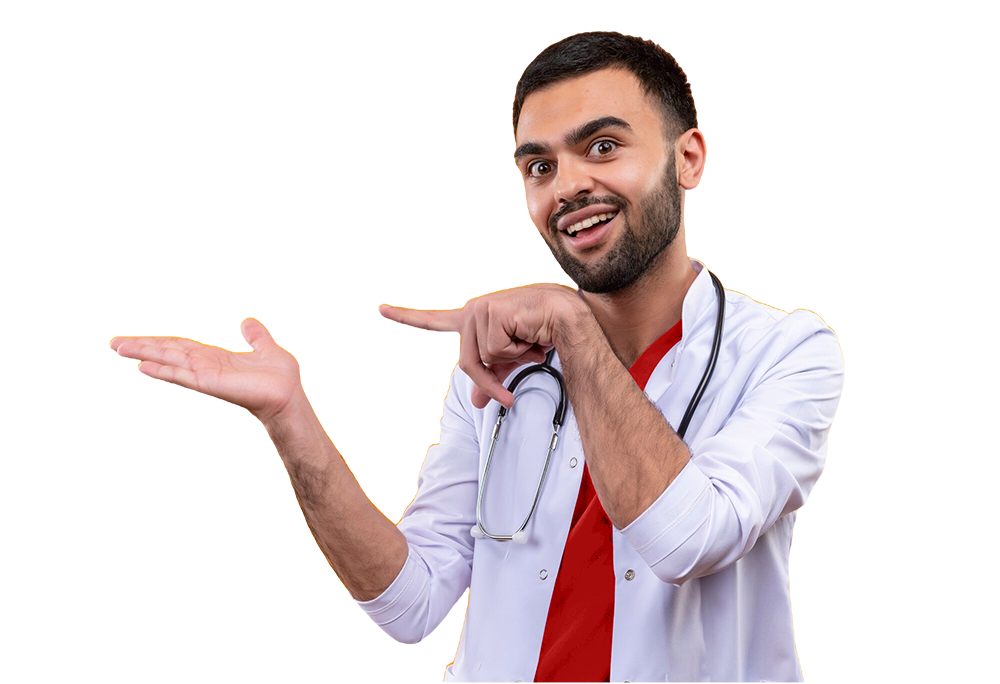
⚠️ DELETE AFTER IMAGE UPLOAD
IMAGE #1 of 6 — HERO
Upload: Replace src in hero img tag above
Dimensions: 580 × 680 px · Format: WebP · Max: 150KB
Alt text: Laser-assisted dental implant surgery at Muskaan Dentals Gurgaon — minimally invasive implant treatment
🎨 AI prompt: Photograph of a modern dental laser device being used in a clean clinical setting, soft glowing laser tip, gloved dentist hands, sterile equipment, blue and white clinical tones with warm accent lighting, photorealistic, 580x680 portrait ratio
Laser Implant Surgery — Honest Overview
Laser-assisted implant surgery in Gurgaon uses dental lasers (such as diode or Er:YAG lasers) to perform the soft-tissue stages of implant treatment — gum incisions, exposing healed implants, and treating gum infections around implants. The laser cauterises as it cuts, which means less bleeding, reduced post-operative swelling, lower infection risk, and faster soft-tissue healing. Important honesty: the laser does not drill into bone or place the implant itself — that still requires precise surgical technique. At Muskaan Dentals, laser technology supports the procedure where it genuinely helps, layered on top of Dr. Suresh Ahlawat's surgical experience and CBCT-guided planning.
Less
Bleeding during soft-tissue work
Faster
Gum healing after procedure
Lower
Post-op swelling & discomfort
Reduced
Infection risk at the site
Laser-Assisted vs. Traditional Implant Surgery
To understand where lasers help, it's useful to compare the soft-tissue experience of laser-assisted treatment against conventional scalpel-based technique:
Traditional (Scalpel)
- Gum incision with surgical blade causes more bleeding
- Sutures usually required to close the site
- More post-operative swelling common
- Longer soft-tissue healing time
- Slightly higher infection risk at the incision
VS
Laser-Assisted
- Laser cauterises as it cuts — minimal bleeding
- Often fewer or no sutures needed
- Reduced swelling and discomfort
- Faster soft-tissue healing
- Laser sterilises the site, lowering infection risk
Note: The actual implant placement into bone uses the same precise surgical drilling in both approaches. The laser advantage applies to the soft-tissue (gum) stages — incision, second-stage exposure, and peri-implant care.

⚠️ DELETE AFTER IMAGE UPLOAD
IMAGE #2 of 6 — LASER VS TRADITIONAL
Dimensions: 900 × 500 px · Format: WebP · Max: 150KB
Alt text: Laser versus traditional dental implant surgery comparison at Muskaan Dentals Gurgaon
🎨 AI prompt: Split-screen medical illustration comparing laser gum treatment (clean, glowing precise beam) versus traditional scalpel technique, educational dental diagram, red and navy color scheme, white background, 900x500
What Laser Technology Adds to Your Implant Experience
The benefits of laser assistance are most noticeable during the gum-related stages and the recovery period:
🩸
Less Bleeding
Dental lasers seal small blood vessels as they work. For patients on blood thinners or those anxious about bleeding, this makes the soft-tissue stages calmer and cleaner.
🌡️
Reduced Swelling
Because laser treatment is gentler on surrounding tissue than a blade, post-operative swelling tends to be lower — meaning less of the puffy-cheek discomfort patients dread.
⚡
Faster Healing
Laser energy can stimulate soft-tissue regeneration. Gums often heal more quickly, which can shorten the overall comfort-recovery window between stages.
🛡️
Lower Infection Risk
The laser sterilises the treatment site as it works, reducing bacterial load. This is especially valuable when treating gum infection around an existing implant (peri-implantitis).
🧵
Fewer Sutures
Because laser incisions bleed less and the tissue edges seal, many laser-assisted soft-tissue procedures need fewer stitches — or none — meaning fewer follow-up visits to remove them.
😌
More Comfortable Recovery
The combined effect — less bleeding, less swelling, faster healing — translates into a recovery that most patients describe as easier than they expected, reducing the anxiety that delays treatment.
Where Lasers Are Used in the Implant Journey
Dr. Ahlawat applies laser technology at specific points where it genuinely improves the outcome — not as a marketing gimmick. The main applications are:
Laser Applications in Implant Treatment
- Soft-tissue incision & flap — opening the gum to access the bone for implant placement, with minimal bleeding and cleaner visibility
- Second-stage exposure — uncovering a healed implant beneath the gum to attach the abutment, often done laser-only without a blade
- Peri-implantitis treatment — laser decontamination of an implant surface affected by gum infection, which can save a failing implant that would otherwise need removal
- Gum contouring — shaping the gum line around the final crown for a natural, aesthetic emergence — particularly important for front teeth implants
- Treatment of gum overgrowth — removing excess tissue that can develop around implants or restorations
Combined with CBCT-guided planning and the right implant brand for your case, laser assistance is one more layer of precision in a complete implant protocol. It works alongside — never instead of — sound surgical technique. For full reconstructions, laser assistance can make the soft-tissue stages of full mouth rehabilitation significantly more comfortable.
⚠️ DELETE AFTER IMAGE UPLOAD
IMAGE #3 of 6 — LASER IN USE
Dimensions: 680 × 460 px · Format: WebP · Max: 150KB
Alt text: Dental laser used for implant gum treatment at Muskaan Dentals Gurgaon clinical procedure
Ideal: REAL photo of laser device in clinic. If unavailable, AI-generated close-up of dental laser handpiece in gloved hand, sterile clinical setting, 680x460.
Is Laser Implant Surgery Actually Painless?
This is the question patients really want answered. Here is the honest version — no overpromising:
The Honest Answer
More Comfortable
Laser-assisted implant surgery is not 100% painless — that claim would be dishonest. But the soft-tissue stages are noticeably gentler: less bleeding, less swelling, faster healing. Combined with local anaesthesia, most patients report the experience is far easier than they feared. The recovery is where laser patients notice the biggest difference.
The implant placement itself — drilling into bone and inserting the titanium fixture — is performed under local anaesthesia in both laser-assisted and traditional surgery, so you don't feel pain during the procedure in either case. The laser's advantage shows up afterward: in the reduced swelling, fewer sutures, and quicker comfort recovery. Patients who have had a previous implant the traditional way and a later one with laser assistance consistently describe the laser experience as smoother. You can read more in our documented implant success stories.
Why Technology Alone Isn't Enough — The Muskaan Approach
A laser in the hands of an inexperienced dentist does not make an implant successful. At Muskaan Dentals, laser technology is one tool within a complete, experience-led protocol:
🔬 Experience First, Technology Second
Dr. Suresh Ahlawat (BDS, MDS, DNB USA) has 35+ years of implant surgery experience. The laser enhances his technique — it does not substitute for the surgical judgement that determines whether an implant lasts decades or fails early.
📐 CBCT-Guided Precision
Every implant is planned in 3D before surgery — nerve positions, bone density, sinus location. Laser assistance is layered on top of this precision planning, not used to compensate for the lack of it.
🏥 NABH-Accredited Safety
All 4 Muskaan branches meet NABH sterilisation and safety standards. Laser equipment is maintained and operated within these protocols — technology and safety together.
💬 Honest Recommendations
Not every case needs or benefits equally from laser assistance. Dr. Ahlawat recommends it where it genuinely helps your specific situation — never as an upsell. You'll always be told honestly what value it adds for you.
The combination of an experienced surgeon, 3D planning, quality implant brands, NABH safety standards, and laser assistance where appropriate is what produces the outcomes behind Muskaan Dentals' 1,900+ reviews at 4.8★. Regular professional cleaning and follow-up keep those implants healthy for the long term.
⚠️ DELETE AFTER IMAGE UPLOAD
IMAGE #4 of 6 — DR. AHLAWAT WITH LASER
Dimensions: 560 × 700 px · Format: WebP · Max: 150KB
Alt text: Dr. Suresh Ahlawat performing laser-assisted implant surgery at Muskaan Dentals Gurgaon
Ideal: REAL photo of Dr. Ahlawat with laser equipment. If unavailable, AI-generated portrait of senior Indian dentist holding dental laser device in modern clinic, 560x700.
Find Out If Laser-Assisted Treatment Suits Your Case
If fear of pain has been holding you back from implants, a consultation at Muskaan Dentals can put your mind at ease. Dr. Ahlawat will assess your case, explain where laser assistance helps, and give you an honest picture of what to expect. 35+ years of experience across 4 NABH branches in Gurugram.
Frequently Asked Questions — Laser Implant Surgery in Gurgaon
Is laser-assisted implant surgery completely painless?
No treatment is completely painless, and any clinic claiming otherwise is overselling. However, laser-assisted implant surgery is noticeably more comfortable — the soft-tissue stages cause less bleeding and swelling, and recovery is faster. Combined with local anaesthesia, most patients find the experience far easier than they expected, especially during recovery.
Does the laser place the implant into the bone?
No. The implant fixture is placed into the bone using precise surgical drilling — the same in both laser-assisted and traditional surgery. The laser is used for the soft-tissue (gum) stages: incisions, exposing healed implants, gum contouring, and treating gum infections. The laser supports the procedure; it doesn't replace the core surgical technique.
Does laser implant surgery cost more than traditional surgery?
There may be a modest difference depending on the case, as laser equipment and training represent an investment. However, the reduced need for sutures, fewer follow-up visits, and faster healing can offset this. At your consultation, Dr. Ahlawat will explain the cost transparently and whether laser assistance adds value for your specific case.
Is laser treatment safe for dental implants?
Yes. Dental lasers are well-established, FDA-cleared tools used widely in modern dentistry. When operated by an experienced clinician within NABH-accredited safety protocols, laser-assisted implant treatment is safe. At Muskaan Dentals, laser equipment is maintained and operated to clinical standards across all 4 branches.
Can lasers save a failing implant?
In some cases, yes. When an implant develops peri-implantitis (gum infection around the implant), laser decontamination of the implant surface can help control the infection and save an implant that might otherwise need removal. Early detection through structured follow-up visits is key — which is why Muskaan Dentals schedules regular check-ups after implant placement.
Is laser implant surgery suitable for diabetic patients?
Laser assistance can be particularly helpful for diabetic patients because reduced bleeding, lower infection risk, and faster healing address some of the healing challenges diabetes can cause. However, blood sugar control (HbA1c below 7.5) remains the most important factor, and Dr. Ahlawat assesses each diabetic patient individually.
Will I need stitches with laser implant surgery?
Often fewer or none. Because laser incisions seal the tissue edges as they cut, many laser-assisted soft-tissue procedures require fewer sutures than scalpel surgery — and sometimes none at all. This means fewer follow-up visits and a more comfortable recovery.
How soon can I return to normal activities after laser implant surgery?
Because laser-assisted treatment causes less swelling and faster soft-tissue healing, many patients return to normal daily activities the next day, with some mild care precautions. Your exact recovery depends on the complexity of your case, which Dr. Ahlawat will outline in your personalised post-operative instructions.
Reviewed by Dr. Suresh Ahlawat, BDS, MDS, DNB (USA) — Chief Implantologist, Muskaan Dentals, Gurugram. 35+ years of implant surgery experience. NABH-accredited across 4 branches. View full profile →
⚠️ DELETE AFTER IMAGE UPLOAD
IMAGE #5 of 6 — DR. AHLAWAT PORTRAIT
Dimensions: 520 × 400 px · Format: WebP · Max: 150KB
Alt text: Dr. Suresh Ahlawat — Chief Implantologist at Muskaan Dentals Gurgaon, laser implant surgery expert
Ideal: REAL professional photo of Dr. Ahlawat.
⚠️ DELETE AFTER IMAGE UPLOAD
IMAGE #6 of 6 — LASER EQUIPMENT
Dimensions: 600 × 600 px · Format: WebP · Max: 150KB
Alt text: Muskaan Dentals advanced laser dentistry equipment in NABH accredited clinic Gurgaon
Ideal: REAL photo of laser machine in clinic. If unavailable, AI-generated modern dental laser device on a clinical cart, square 600x600.
Our Initiatives


For any Queries or assistance please call: +91-94-94-94-7304
MUSKAAN Dentals is 1st NABH ACCREDITED Chain of Speciality dental centers headed by Dr. Suresh Ahlawat BDS, MDS, DNB (USA) having more than 30 Years of National & International experience, Dr. Ahlawat is a Maxillofacial Surgeon Specially trained in Dental Implants in France, Korea, Europe, China and Bangkok etc in various implant systems.
Contacts
Address
C-1039, Near Vyapar Kendra, Sushant Lok Phase - 1, Gurgaon, Haryana - 122009
© 2026 Muskaan Dentals Global | All Right Reserved.
Digital Partner: CODEMOTTO