
A practical, chronological dental implant aftercare guide from Muskaan Dentals — first 24 hours, days 2–7, weeks 2–4, and long-term care. What to eat, what to avoid, when to call the clinic, and how to protect your implant for decades. Reviewed by Dr. Suresh Ahlawat.
🩺 Recovery Guide • Hour-by-Hour to Long-Term
Dental Implant Aftercare in Gurgaon
The Honest Aftercare Picture
Good dental implant aftercare protects the work your surgeon has done and protects you from avoidable complications. The honest summary: take the prescribed painkillers and antibiotics, eat cold soft food for the first 24 hours, do not smoke or rinse forcefully, sleep with your head elevated, and call us if anything worsens after day 3 rather than improving. Most healthy patients recover quickly and uneventfully. This page is a general guide; the written instructions handed to you at the clinic are personalised and take priority.
24 hrs
Most critical period
7–10 days
Initial healing
4–6 wks
No smoking ideally
3–4 mo
Full integration
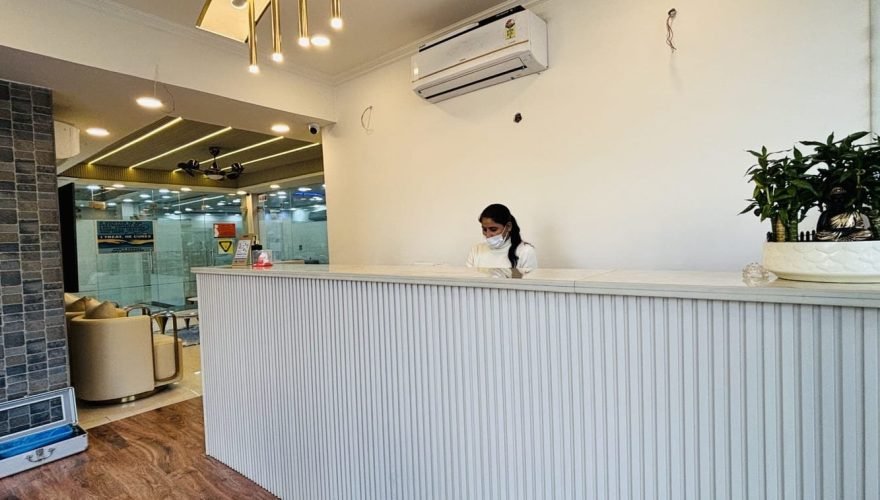
✅ Real clinic photo — already in Media Library (geo-tag with clinic coordinates on upload).
Dental implant surgery is far less daunting than most patients imagine — most are surprised at how comfortable the procedure itself is, and how quickly normal life resumes. What really decides long-term success is the few weeks of aftercare that follow. This dentist-reviewed practical guide covers the chronological implant recovery tips from the first 24 hours through long-term care: what to eat, what to avoid, how to clean the area safely, when to call the clinic, and how to protect your implant for decades. The advice here is general; the personalised written implant care instructions handed to you at Muskaan Dentals take priority where the two differ.
The First 24 Hours — The Critical Window
The first day after implant surgery is when most avoidable complications happen, and most are prevented by following five simple rules. Bite on the gauze placed by the surgeon for 30–45 minutes to control initial bleeding — replace once if needed. Apply ice packs to the cheek in 15-minute on/off cycles for the first 12–24 hours to control swelling. Take prescribed painkillers as directed before the local anaesthetic wears off; do not wait for the pain to start. Do not rinse, spit forcefully, or use a straw — these can dislodge the protective clot. Sleep with your head elevated for the first 1–2 nights using an extra pillow or two; this reduces overnight swelling significantly.
What Food After Implant Surgery Is Safe?
A simple stage-by-stage guide for the first month.
FIRST 24 HOURS
🥤 Cold & soft only
Cold soup, smoothies, yogurt, ice cream, kheer, cooled mashed potato. No hot drinks, no chewing on surgery side.
DAYS 2–7
🍲 Lukewarm soft foods
Dal, well-cooked rice, eggs, soft idli, oats, paneer, soft khichdi. Nothing that requires hard biting.
WEEK 2–4
🍚 Gradual normal foods
Return to regular foods slowly. Still avoid very hard or crunchy items directly over the implant site.
AVOID THROUGHOUT
⛔ No-go list
Smoking and tobacco (4–6 weeks min), alcohol (1–2 weeks), very spicy or very hot food (1–2 weeks), nuts and crunchy items over the site (3–4 weeks).
Days 2–7 — Healing & Daily Care
After the first 24 hours, gentle saltwater rinses replace the no-rinse rule — one teaspoon of salt in a cup of warm water, swished gently (not spat forcefully) 3–4 times daily, especially after meals. Take any prescribed antibiotics until the course finishes, even if you feel fine. From day 3, you can gently brush around the surgical area with a soft toothbrush — avoid direct pressure on the implant. A chlorhexidine mouthwash may be prescribed for the first 1–2 weeks; if so, use it as directed. Sutures are typically removed at 10–14 days at a short follow-up appointment. Most patients return to office work within 1–2 days and to normal exercise after 5–7 days.
When Should I Call the Clinic?
Mild swelling, bruising, tightness, and discomfort for the first 3–7 days are normal and expected — they should improve daily. Call Muskaan Dentals on +91-94-94-94-7304 immediately if you experience: severe pain that increases after day 3 (initial pain should decrease day by day, not get worse), heavy bleeding that does not stop with gauze pressure, the implant feeling loose or moving, fever above 38°C, swelling that spreads beyond the cheek or down the neck, persistent numbness in the lip or chin beyond 24 hours, or pus or unusual discharge from the surgical site. None of these mean disaster — they mean we should see you to assess what is happening. Most issues caught early are easily resolved.
Long-Term Implant Care — Protecting Your Investment
Once the implant is fully healed and crowned, four habits protect it for decades. Brush twice daily with a soft brush, paying special attention to the gumline around the implant. Floss or use interdental brushes around the implant every day — this is more important than for natural teeth because the gum seal around an implant is slightly different and more vulnerable to gum disease (peri-implantitis). Use a water flosser if recommended, especially for implant bridges and All-on-4 cases. Attend 6-monthly check-ups at Muskaan Dentals so any small gum issue is caught early. Avoid smoking and keep diabetes (if applicable) well controlled — both are major risk factors for late implant problems. With this routine, modern implants commonly last 20–30 years and often a lifetime. NABH-accredited care across four Gurgaon branches — Sector 43 (Sushant Lok), Sector 56, Sector 14, and Sector 52 (Ardee City).
Medically reviewed by Dr. Suresh Ahlawat, BDS, MDS, DNB USA — Chief Implantologist, Muskaan Dentals, Gurgaon. This article is for general information and does not replace a clinical consultation.
Frequently Asked Questions
Dental implant aftercare — your common questions answered.
What is the most important dental implant aftercare advice for the first 24 hours?
Five rules. (1) Bite gently on the gauze for 30–45 minutes to control initial bleeding. (2) Apply ice packs to the cheek in 15-minute on/off cycles for the first 12–24 hours to reduce swelling. (3) Take prescribed painkillers as directed before the local anaesthetic wears off. (4) Do not rinse, spit, or use a straw — this can dislodge the clot that protects healing. (5) Eat only cold, soft foods (cool soups, yogurt, smoothies, ice cream) and avoid hot drinks and chewing on the surgery side. Detailed written instructions are given before you leave the clinic.
What food after implant surgery is safe to eat?
By time period: First 24 hours — cold and soft only (cold soup, smoothies, yogurt, ice cream, mashed potato cooled, kheer). Days 2–7 — lukewarm soft foods (dal, well-cooked rice, eggs, soft idli, oats, paneer, soft khichdi). Avoid anything that requires biting hard. Week 2 onwards — gradual return to regular foods, but still avoid very hard or crunchy items (nuts, raw carrots, hard rotis) directly over the implant site for 3–4 weeks. Foods to avoid for the full healing period: spicy, very hot, sticky, crunchy, alcohol, and tobacco in any form.
What should I avoid after dental implant surgery?
Seven things, in priority order. (1) Smoking and tobacco — the single biggest controllable risk factor for early implant failure; avoid for at least 4–6 weeks, ideally longer. (2) Alcohol — interferes with healing and medications, avoid for 1–2 weeks. (3) Spitting, rinsing forcefully, or using a straw in the first 24 hours — can dislodge the protective clot. (4) Chewing on the surgical side for 1–2 weeks. (5) Hot drinks and very hot food for 24–48 hours. (6) Heavy exercise, lifting, or bending for 3–5 days. (7) Touching the area with your tongue or fingers.
How should I clean my mouth during implant recovery?
Day 1 — do not brush or rinse the surgical site at all; gently brush other teeth, keeping the brush away from the implant. Day 2 onwards — start gentle warm saltwater rinses (one teaspoon of salt in a cup of warm water, swish gently, do not spit forcefully) 3–4 times daily, especially after meals. From day 3 — gently brush around the area with a soft toothbrush, avoiding direct pressure on the surgical site. A chlorhexidine mouthwash may be prescribed for the first 1–2 weeks. Once sutures are removed (10–14 days), you can return to normal brushing and flossing techniques, with special attention around the implant.
When should I call the clinic during recovery?
Call us immediately on +91-94-94-94-7304 if you experience: severe pain that increases after day 3 (initial pain should decrease daily, not increase), heavy bleeding that does not stop with gauze pressure, the implant feeling loose or moving, fever above 38°C, swelling that spreads beyond the cheek or down the neck, numbness in the lip or chin that persists beyond 24 hours, or pus or unusual discharge from the surgery site. Mild swelling, bruising, tightness, and discomfort for the first 3–7 days are normal and expected — these are not warning signs unless they worsen rather than improve.
What are the most useful long-term implant care instructions?
Four habits protect your investment for decades. (1) Brush twice daily with a soft brush, paying special attention around the implant where the gum meets the crown. (2) Floss or use interdental brushes around the implant every day — this is more important than for natural teeth because the gum seal around an implant is slightly different. (3) Use a water flosser if your dentist recommends one, especially for implant bridges and All-on-4 cases. (4) Attend 6-monthly check-ups so any small gum issue around the implant is caught early. Avoid smoking and keep diabetes (if you have it) well controlled — both are major risk factors for late implant problems.
Got Through Surgery? Now Protect the Investment.
Book a Follow-Up Check-Up
Scheduled aftercare visits at 1 week, 1 month, 3 months, and 6 months are recommended as part of your implant treatment plan at Muskaan Dentals; your surgeon confirms the schedule for your case.
4 NABH branches across Gurgaon · +91-94-94-94-7304 · Mon–Sat 10 AM–7 PM · Sunday 11 AM–1 PM
Dr. Suresh Ahlawat · BDS, MDS, DNB USA · 35+ years · NABH · 4.8★ · 1,900+ Reviews
Our Initiatives



For any Queries or assistance please call: +91-94-94-94-7304
MUSKAAN Dentals is 1st NABH ACCREDITED Chain of Speciality dental centers headed by Dr. Suresh Ahlawat BDS, MDS, DNB (USA) having more than 30 Years of National & International experience, Dr. Ahlawat is a Maxillofacial Surgeon Specially trained in Dental Implants in France, Korea, Europe, China and Bangkok etc in various implant systems.
Treatments
Dental Implants
Dental Crowns
Root Canal Treatment
Dental Bridges
Root Canal
Full Mouth Rehabilitation
Clear Aligners
Laser Dentistry
Pediatric Dentistry
Contacts
Address
C-1039, Near Vyapar Kendra, Sushant Lok Phase - 1, Gurgaon, Haryana - 122009
© 2026 Muskaan Dentals Global | All Right Reserved.
Digital Partner: CODEMOTTO