
Tooth Loss Solution Same-Day Option
Dental Implants After Tooth Extraction — Your Timing Options Explained
✓ Same-Day (Immediate) Implants Where Suitable · ✓ Preserve Bone After Extraction · ✓ Avoid the Gap & Bone Loss · ✓ 35+ Years Experience · 4 NABH Branches
If you're facing a tooth extraction — or have already lost a tooth — an implant is the gold-standard replacement. But timing matters: in some cases an implant can be placed the same day as the extraction; in others, waiting is wiser. This guide explains your options for implants after tooth extraction, what determines the right timing for you, and why acting sooner often protects your jawbone. Learn more about dental implants generally.
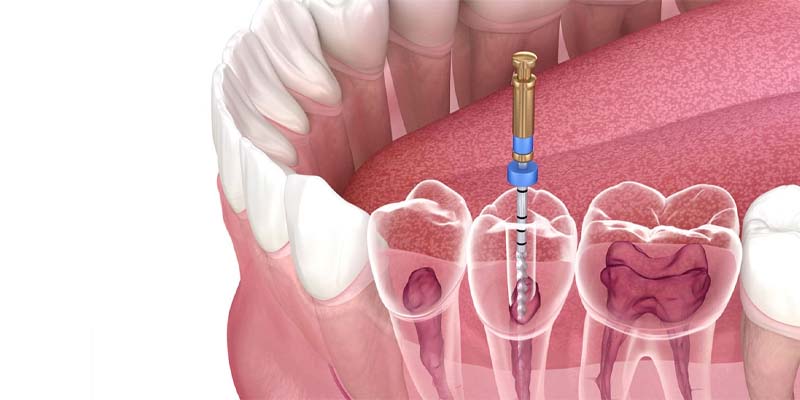
⚠️ DELETE AFTER IMAGE UPLOAD
IMAGE #1 of 4 — HERO
Upload: Replace src in hero img tag above
Dimensions: 540 × 660 px · Format: WebP · Max: 150KB
Alt text: Dental implant after tooth extraction at Muskaan Dentals Gurgaon — same day implant option
🎨 AI prompt: Clean clinical illustration or photo showing a fresh extraction socket with a dental implant being placed, hopeful and modern, dentist hands, sterile setting, warm light, photorealistic, 540x660 portrait ratio
Implants After Extraction — Quick Answer
After a tooth is extracted, a dental implant can be placed at three possible times: immediately (same day as extraction), early (a few weeks to two months later, once initial healing occurs), or delayed (after several months of full healing or bone grafting). The right timing depends on infection, bone quality, and which tooth is involved. Immediate placement saves time and helps preserve bone and gum shape — but it isn't suitable for every case. At Muskaan Dentals, Dr. Suresh Ahlawat assesses each situation with a CBCT scan to recommend the safest, most effective timing for you.
3
Placement timing options
Same-Day
Possible in suitable cases
Bone
Preserved by acting early
CBCT
Decides the right timing
Your 3 Timing Options for an Implant After Extraction
There's no single "right" answer — the best timing depends on your specific situation. Here are the three pathways and when each is used:
Same Day
Immediate Implant
The implant is placed into the socket immediately after the tooth is removed, in the same appointment.
Best when: there's no active infection, enough healthy bone, and good stability. Often ideal for front teeth aesthetics.
Fastest · Bone-Preserving2–8 Weeks
Early Placement
The socket heals for a few weeks first, allowing soft tissue to close, then the implant is placed.
Best when: there was minor infection or the gum needs to settle, but the bone is largely intact.
Balanced Approach3–6 Months
Delayed Placement
Full healing or bone grafting happens first, then the implant is placed into matured bone.
Best when: there was significant infection or bone loss requiring grafting before an implant can succeed.
Safest for Complex CasesOnly a clinical exam and CBCT scan can determine which pathway is right for you. Dr. Ahlawat always recommends the option that gives the most reliable long-term result — not simply the fastest.

⚠️ DELETE AFTER IMAGE UPLOAD
IMAGE #2 of 4 — TIMING PATHWAYS
Dimensions: 900 × 500 px · Format: WebP · Max: 150KB
Alt text: Implant timing options after tooth extraction — immediate early delayed at Muskaan Dentals Gurgaon
🎨 AI prompt: Clean medical timeline infographic showing three implant placement options after extraction (immediate same-day, early 2-8 weeks, delayed 3-6 months) along a horizontal timeline, red and navy scheme, white background, 900x500
Why You Shouldn't Leave the Gap Too Long
After a tooth is lost, the jawbone that once supported it begins to shrink — a process called resorption. This is the key reason timing matters:
What Happens If You Wait Too Long
- Bone loss accelerates — the jawbone can lose significant width and height in the first 6–12 months after extraction, as it's no longer stimulated by a tooth root
- Implants become harder — less bone may mean you later need bone grafting before an implant can be placed, adding time and cost
- Adjacent teeth shift — neighbouring teeth can drift into the gap, complicating future treatment and your bite
- Gum shape changes — the soft tissue contour collapses, which can affect the final aesthetic result, especially for front teeth
- Facial appearance — long-term, significant bone loss can affect facial support around the mouth
This is why immediate or early implant placement is often advantageous: placing the implant preserves the bone by giving it something to support again. Acting sooner can mean avoiding grafting later. If you're already past this point, don't worry — bone grafting can rebuild lost bone, and an implant is still very achievable. The first step is a consultation with a CBCT scan to assess your bone.
Can I Get an Implant the Same Day as My Extraction?
It's the question most patients ask — here's the honest answer:
Same-Day Implant?
Often, Yes
In many cases — especially with no active infection and healthy bone — an implant can be placed immediately after extraction in the same visit, sometimes with a temporary tooth. But not every case is suitable, and forcing immediate placement where conditions aren't right risks failure. A CBCT scan tells us honestly whether same-day is safe for you, or whether waiting gives a more reliable result.
What to Expect — Extraction to New Tooth
Whichever timing pathway suits you, the overall journey follows these stages:
1 · Assessment
CBCT scan and examination to check infection, bone, and the right timing pathway for your case.
2 · Extraction
The tooth is removed gently to preserve as much bone and gum as possible — important for any future implant.
3 · Implant Placement
Immediately, or after the chosen healing period — the titanium implant is placed, with grafting if needed.
4 · Healing
The implant fuses with bone over 3–4 months (osseointegration). A temporary tooth may be provided meanwhile.
5 · Final Crown
Once integrated, a permanent crown is fitted — matched in shape and shade to your natural teeth.
6 · Maintenance
Regular cleaning and follow-up keep your new implant healthy for decades.
Throughout, only quality implant brands are used, and the full cost is explained in writing beforehand. You can read real success stories from patients who replaced extracted teeth with implants.
Facing an Extraction? Plan the Replacement Now
The best time to plan an implant is before or right after your extraction — to preserve bone and save time. Book a consultation at Muskaan Dentals and Dr. Ahlawat will assess whether same-day placement suits you. 35+ years of experience across 4 NABH branches in Gurugram.
Frequently Asked Questions — Implants After Tooth Extraction
Can a dental implant be placed the same day as a tooth extraction?
Yes, in many suitable cases. Immediate (same-day) implant placement is possible when there's no active infection, enough healthy bone, and good initial stability. It saves time and helps preserve bone and gum shape. However, it isn't right for every case — a CBCT scan and examination determine whether same-day placement is safe for you.
How long after a tooth extraction can I get an implant?
There are three windows: immediately (same day), early (2–8 weeks later), or delayed (3–6 months after healing or bone grafting). The right timing depends on infection, bone quality, and the tooth involved. Acting sooner rather than later generally helps preserve the jawbone.
What happens to my jawbone if I don't replace an extracted tooth?
The jawbone that supported the tooth begins to shrink (resorb) because it's no longer stimulated by a tooth root, losing significant width and height in the first 6–12 months. This can later require bone grafting before an implant, and adjacent teeth may drift into the gap. Replacing the tooth promptly helps avoid this.
Is it too late to get an implant if I lost my tooth years ago?
No — it's rarely too late. Even with significant bone loss, bone grafting can rebuild the area so an implant can be placed successfully. Many patients who lost teeth years ago go on to have excellent implant results. A CBCT scan during consultation shows exactly what your case needs.
Does getting an implant right after extraction hurt more?
Not significantly. Immediate placement is done under the same local anaesthesia as the extraction, so you don't feel additional pain during the procedure. Recovery is comparable to a standard implant, and combining extraction and placement in one visit can mean less overall disruption than two separate surgeries.
Will I have a gap while the implant heals?
Often not. In many same-day and early cases, a temporary tooth or crown can be provided so you're not left with a visible gap during the 3–4 month healing period — particularly important for front teeth. This is discussed and planned as part of your treatment.
Is a same-day implant as reliable as a delayed one?
When the conditions are right — healthy bone, no infection, good stability — immediate implants have excellent success rates comparable to delayed placement. The key is honest case selection. If conditions aren't ideal, forcing same-day placement increases the risk, which is why Dr. Ahlawat recommends the timing that gives the most reliable result for your specific case rather than the fastest. See our risks guide.
Can any tooth be replaced with an immediate implant?
Most can be considered, but suitability varies by tooth position, bone availability, and whether infection is present. Front teeth often benefit most from immediate placement for aesthetic reasons, while some back teeth or infected sites may need an early or delayed approach. The assessment determines what's best for each tooth.
Reviewed by Dr. Suresh Ahlawat, BDS, MDS, DNB (USA) — Chief Implantologist, Muskaan Dentals, Gurugram. 35+ years of implant surgery experience. NABH-accredited across 4 branches. View full profile →
⚠️ DELETE AFTER IMAGE UPLOAD
IMAGE #3 of 4 — DR. AHLAWAT PORTRAIT
Dimensions: 520 × 400 px · Format: WebP · Max: 150KB
Alt text: Dr. Suresh Ahlawat — implant specialist at Muskaan Dentals Gurgaon placing implants after extraction
Ideal: REAL professional photo of Dr. Ahlawat.
⚠️ DELETE AFTER IMAGE UPLOAD
IMAGE #4 of 4 — BEFORE/AFTER
Dimensions: 780 × 500 px · Format: WebP · Max: 150KB
Alt text: Before and after implant replacing an extracted tooth at Muskaan Dentals Gurgaon
Ideal: REAL before/after of an implant replacing an extracted tooth (with consent). If unavailable, AI illustration of gap vs implant-restored smile, 780x500.
Our Initiatives



For any Queries or assistance please call: +91-94-94-94-7304
MUSKAAN Dentals is 1st NABH ACCREDITED Chain of Speciality dental centers headed by Dr. Suresh Ahlawat BDS, MDS, DNB (USA) having more than 30 Years of National & International experience, Dr. Ahlawat is a Maxillofacial Surgeon Specially trained in Dental Implants in France, Korea, Europe, China and Bangkok etc in various implant systems.
Contacts
Address
C-1039, Near Vyapar Kendra, Sushant Lok Phase - 1, Gurgaon, Haryana - 122009
© 2026 Muskaan Dentals Global | All Right Reserved.
Digital Partner: CODEMOTTO